
HR Basics

21 MIN READ
HR Management Guide
Modern HR management combines strategic workforce planning, technology infrastructure, and people-focused operations. This guide examines HR systems from cloud platforms to AI tools, explains document management solutions, covers global implementation challenges, and maps career pathways.

Derek HollowayHR Technology & HRIS Systems Analyst

Small Business HR GuideManaging employees without a full-time HR department requires smart decisions about compliance, software, and professional support. Learn which HR functions you can't delegate, how to choose between DIY and paid solutions, and when to bring in fractional HR help—before mistakes become expensive

What Is Human Resource Information Systems?An HRIS stores, manages, and processes employee information and HR transactions—from payroll and benefits to compliance and analytics. Modern platforms automate routine tasks that previously consumed hours of administrative time, making them essential for companies with 10+ employees.
Most read
- 1What Is Human Resource Management Systems?Jonathan Carver/Mar 06, 2026/16 MIN
- 2HR Leaders GuideMelissa Bradford/Mar 06, 2026/14 MIN
- 3What Is Human Capital Management Systems?Derek Holloway/Mar 06, 2026/20 MIN
- 4How to Build an HR DepartmentJonathan Carver/Mar 06, 2026/21 MIN
- 5What Is Human Resources (HR)?Melissa Bradford/Mar 06, 2026/19 MIN
- 6Human Resources GuideJonathan Carver/Mar 06, 2026/18 MIN
Fresh
What Is Human Resource Information Systems?An HRIS stores, manages, and processes employee information and HR transactions—from payroll and benefits to compliance and analytics. Modern platforms automate routine tasks that previously consumed hours of administrative time, making them essential for companies with 10+ employees.
HR Management GuideModern HR management combines strategic workforce planning, technology infrastructure, and people-focused operations. This guide examines HR systems from cloud platforms to AI tools, explains document management solutions, covers global implementation challenges, and maps career pathways.

Human Resources GuideHuman resources shapes how organizations attract talent, develop employees, ensure compliance, and build workplace culture. Whether you're considering an HR career, evaluating education options, or running a small business wondering when to bring HR expertise in-house, understanding the field's scope helps you decide.
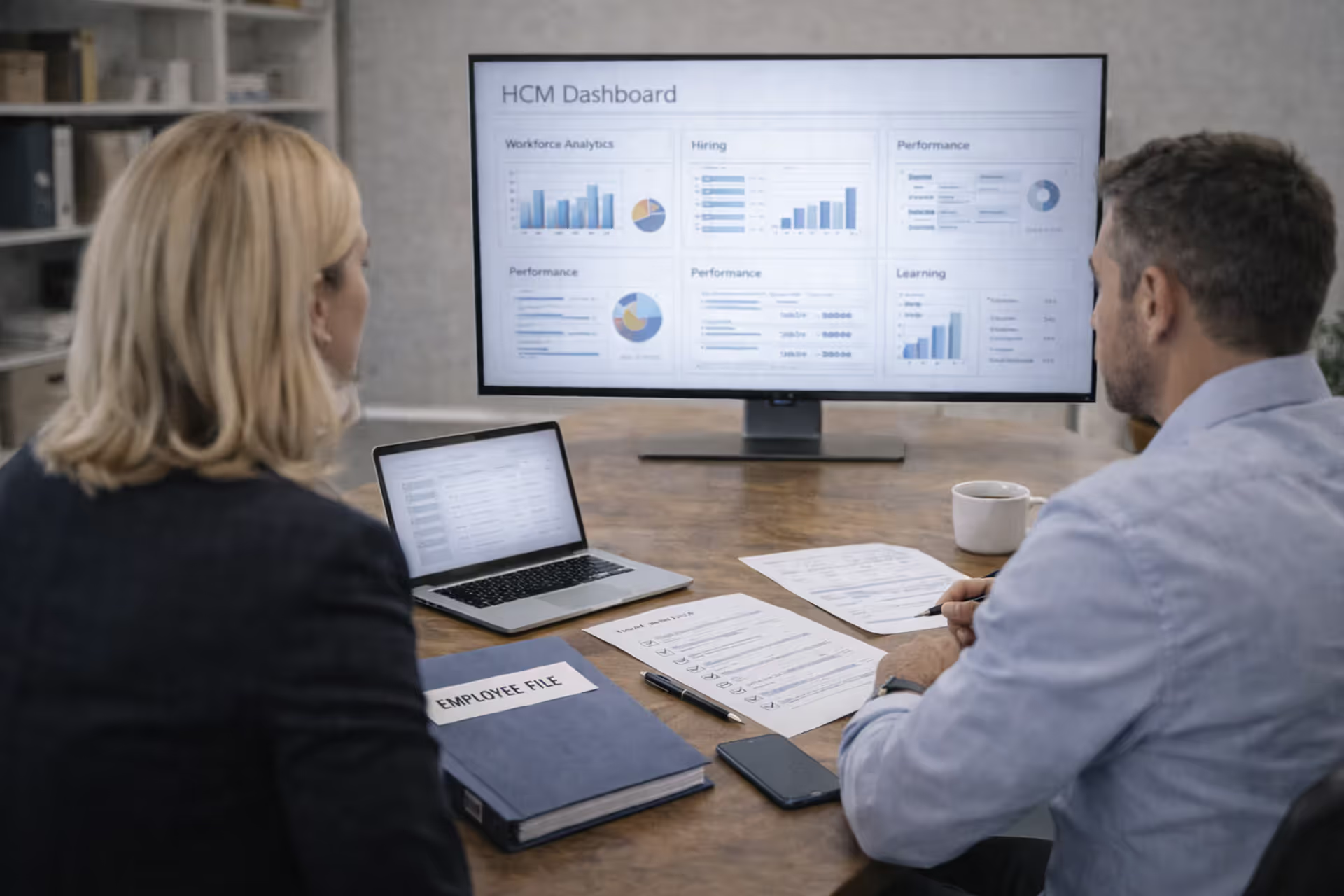
What Is Human Capital Management Systems?Human Capital Management (HCM) represents a fundamental shift in workforce management—treating employees as strategic assets rather than administrative records. This guide covers HCM definitions, core functions, platform comparisons, real-world applications, and selection criteria to help you evaluate systems.
Top stories
Human Resources GuideHuman resources shapes how organizations attract talent, develop employees, ensure compliance, and build workplace culture. Whether you're considering an HR career, evaluating education options, or running a small business wondering when to bring HR expertise in-house, understanding the field's scope helps you decide.
Most read
- 1Small Business HR GuideMelissa Bradford/Mar 06, 2026/17 MIN
- 2HR Leaders GuideMelissa Bradford/Mar 06, 2026/14 MIN
- 3What Is Human Resource Management Systems?Jonathan Carver/Mar 06, 2026/16 MIN
- 4How to Build an HR DepartmentJonathan Carver/Mar 06, 2026/21 MIN
- 5What Is Human Resource Information Systems?Caroline Whitaker/Mar 06, 2026/19 MIN
- 6What Is Human Resources (HR)?Melissa Bradford/Mar 06, 2026/19 MIN
In focus
Small Business HR GuideManaging employees without a full-time HR department requires smart decisions about compliance, software, and professional support. Learn which HR functions you can't delegate, how to choose between DIY and paid solutions, and when to bring in fractional HR help—before mistakes become expensive
Small Business HR GuideManaging employees without a full-time HR department requires smart decisions about compliance, software, and professional support. Learn which HR functions you can't delegate, how to choose between DIY and paid solutions, and when to bring in fractional HR help—before mistakes become expensive

What Is Human Resource Management Systems?HRMS (Human Resource Management System) centralizes payroll, benefits, performance management, and workforce planning in one platform. This guide explains HRMS capabilities, compares leading software options, and helps you determine if the investment fits your organization's size and complexity
What Is Human Resource Management Systems?HRMS (Human Resource Management System) centralizes payroll, benefits, performance management, and workforce planning in one platform. This guide explains HRMS capabilities, compares leading software options, and helps you determine if the investment fits your organization's size and complexity
Human Resources GuideHuman resources shapes how organizations attract talent, develop employees, ensure compliance, and build workplace culture. Whether you're considering an HR career, evaluating education options, or running a small business wondering when to bring HR expertise in-house, understanding the field's scope helps you decide.
Human Resources GuideHuman resources shapes how organizations attract talent, develop employees, ensure compliance, and build workplace culture. Whether you're considering an HR career, evaluating education options, or running a small business wondering when to bring HR expertise in-house, understanding the field's scope helps you decide.
What Is Human Resource Information Systems?An HRIS stores, manages, and processes employee information and HR transactions—from payroll and benefits to compliance and analytics. Modern platforms automate routine tasks that previously consumed hours of administrative time, making them essential for companies with 10+ employees.
What Is Human Resource Information Systems?An HRIS stores, manages, and processes employee information and HR transactions—from payroll and benefits to compliance and analytics. Modern platforms automate routine tasks that previously consumed hours of administrative time, making them essential for companies with 10+ employees.

What Is Human Resources (HR)?Human resources manages everything related to employees—from recruitment and benefits to compliance and culture. Discover what HR actually does day-to-day, how the function differs across company sizes, common team roles, and why HR is critical to business success.

How to Build an HR DepartmentAn HR department manages the entire employee lifecycle—recruitment, onboarding, compensation, compliance, and development. This guide covers how to structure HR teams by company size, set strategic goals, conduct audits, and decide between in-house versus outsourced HR solutions with practical frameworks and cost comparisons.
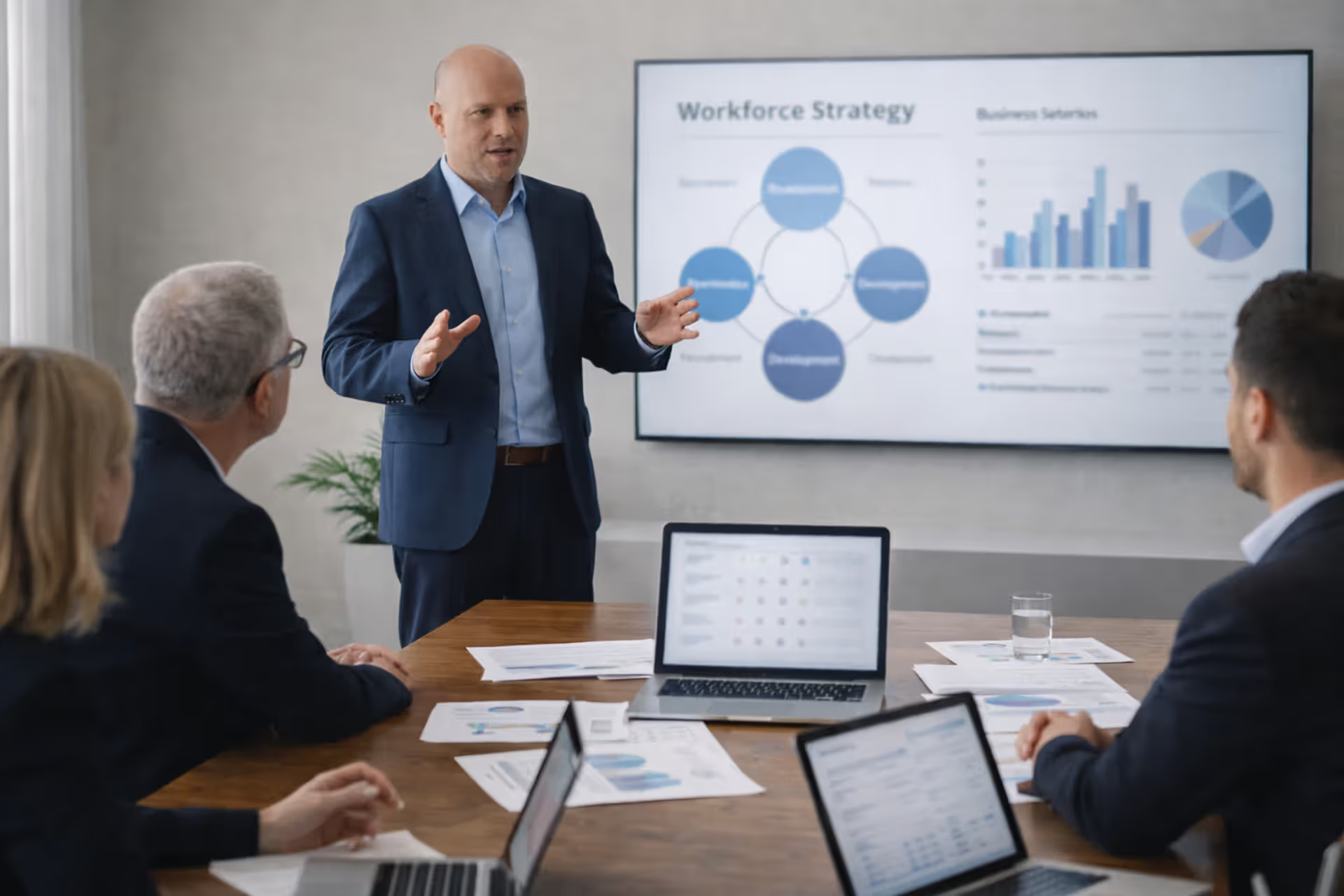
HR Leaders GuideHigh-performing HR leaders operate as business strategists first and people function managers second. They translate workforce data into revenue projections, retention metrics into customer satisfaction forecasts, and culture initiatives into competitive advantages that appear on investor calls.
HR Management GuideModern HR management combines strategic workforce planning, technology infrastructure, and people-focused operations. This guide examines HR systems from cloud platforms to AI tools, explains document management solutions, covers global implementation challenges, and maps career pathways.